On March 17, Dr. Yohan Dall'Agnese, Senior Editor at Nature, visited Tsinghua University and toured the AI-driven smart R&D platform for lithium-ion battery electrolytes (AI for Science) — a joint initiative between the Department of Chemical Engineering and the Fundamental Industry Training Center (iCenter) — located in the Lee Shau Kee Science and Technology Building. Professor Li Shuangshou, director of the iCenter teaching committee; Wang Jianmei, deputy director of the iCenter; Zhang Qi, director of the Innovation and Entrepreneurship Teaching Department; Zhu Feng, director of the Intelligent Manufacturing Laboratory; and researchers from the Department of Chemical Engineering, including associate professor Chen Xiang, associate professor Tang Cheng, and assistant professor Zhao Chenzi, participated in the exchange activities.
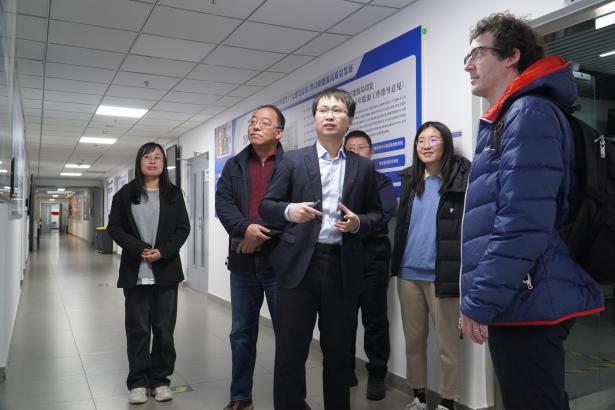
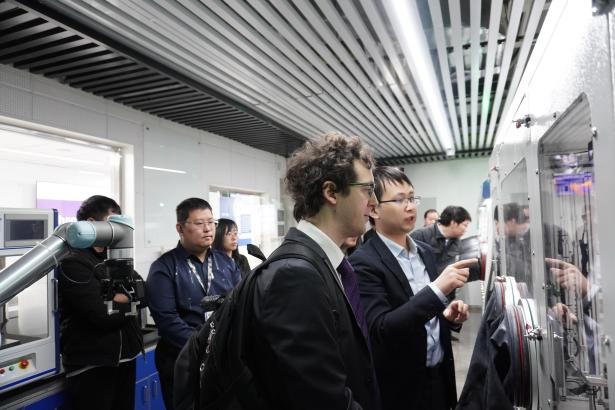
Dr. Dall'Agnese first visited the Digital Intelligent Energy Laboratory of the Carbon Cube Laboratory. Associate professor Chen Xiang from the Department of Chemical Engineering gave a detailed overview of the interdisciplinary research background of AI and batteries, the functions of the smart R&D platform for electrolytes, and the team’s significant innovative achievements in developing advanced battery materials using AI methods, while showcasing the platform’s equipment. Dr. Dall'Agnese expressed great interest in the smart electrolyte R&D system, closely observed its operation on-site, and engaged in in-depth discussions on the new research model of “AI + automated experiments.”
|
|
Dr. Yohan Dall'Agnese Visits the Carbon Cube Laboratory |
Dr. Yohan Dall'Agnese Visits the AI for Science |
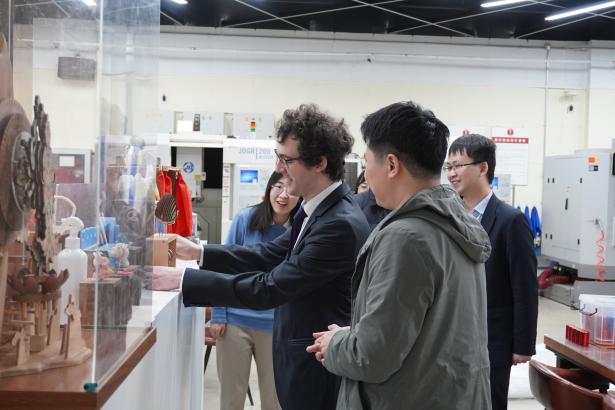
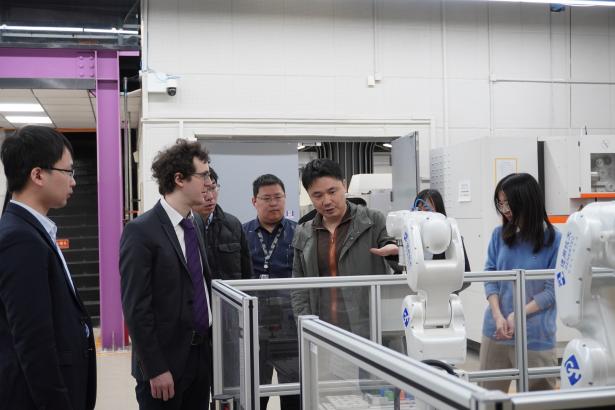
After that, Dr. Dall'Agnese was briefed by Wang Jianmei and Zhang Qi on the iCenter’s courses covering engineering literacy, engineering capabilities, and innovation and entrepreneurship education. He also learned about the iCenter’s latest efforts in innovative talent cultivation, scientific research, and industrial applications. Guided by Zhu Feng, Dr. Dall'Agnese toured the precision machining equipment and Automata course projects at the Mechanical Manufacturing Laboratory, as well as the Industry 4.0 intelligent production line at the Intelligent Manufacturing Laboratory. They discussed how basic and general education can better integrate with cutting-edge technology.
|
|
Dr. Yohan Dall'Agnese visits the Mechanical Manufacturing Laboratory |
Dr. Yohan Dall'Agnese visits smart manufacturing labs |
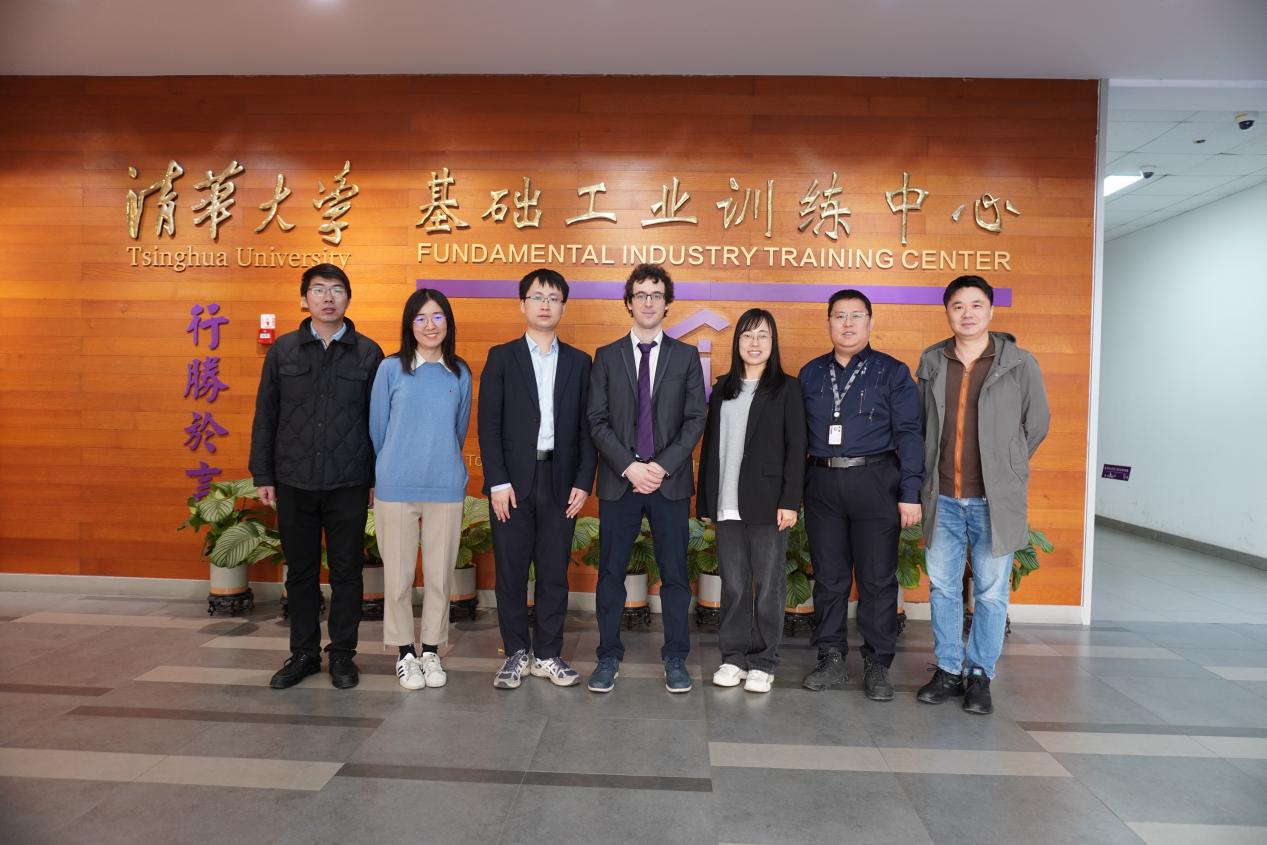
Group Photo of Dr. Yohan Dall'Agnese with Teachers from the Department of Chemical Engineering and the iCenter
Dr. Dall'Agnese’s visit was at the invitation of professor Zhang Qiang from the Department of Chemical Engineering. After touring the iCenter, he delivered a keynote speech titled “Publishing in Scientific Journals” at the lecture hall 422 of the Nuclear Science and Technology Building, attracting nearly 100 teachers and students from across the university. When talking about academic innovation, he emphasized: “Real breakthrough research requires a balance of innovation and rigor — it must propose new paradigms while building a complete chain of evidence with solid data.” Addressing “how to define the innovation of research work,” Dr. Dall'Agnese responded with Nature’s review criteria: “True innovative research must meet three core standards: first, it disrupts the traditional cognitive framework of the field; second, it opens up extensible new research directions; third, it supports innovative viewpoints with robust experimental evidence.”
As Tsinghua University’s base for engineering practice and innovative education, the iCenter adheres to the educational philosophy of nurturing talents for the Party and the country, and aligns with Tsinghua’s trinity talent cultivation model (value shaping, competence development, and knowledge impartment) in fostering innovative talents. The iCenter has collaborated with colleges such as Weiyang, Rixin, Tanwei, Weixian, and Qiuzhen to develop customized courses. It also promotes the integration of teaching and research through partnerships with outstanding on-campus research teams, and the integration of production and education with high-quality enterprises at home and abroad. These efforts have yielded a series of exemplary teaching and research achievements, better serving the university’s goal of cultivating innovative talents.